Daily Quote

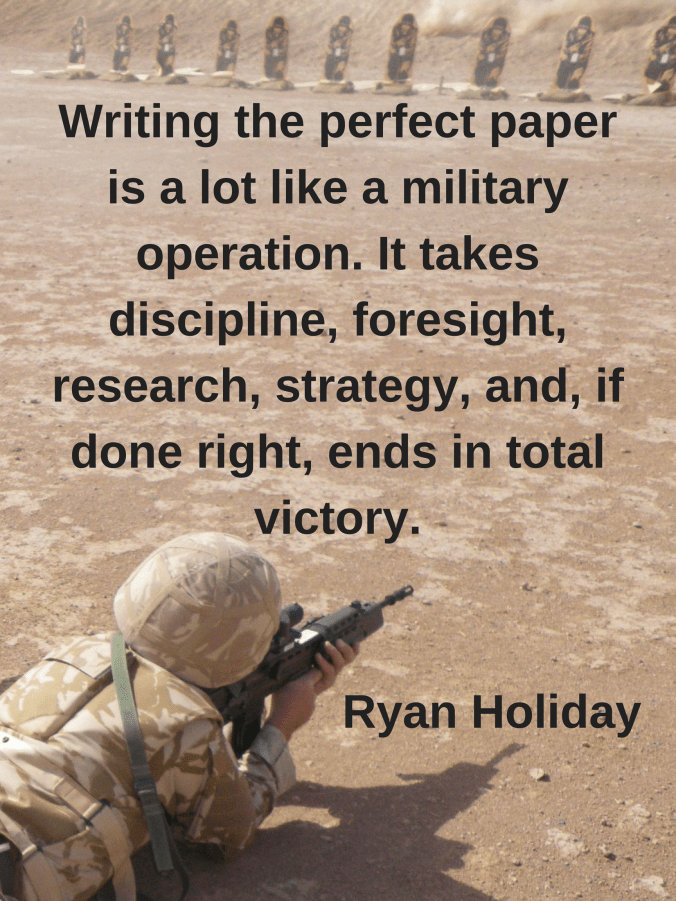
I feel as though I spend at least as much time plotting and planning as I do in the actual writing. The thinking stage for flash fiction sometimes takes as much time as a short story. Maybe that is due to having fewer words to express an idea.

Discipline – show up every day to write and actually write

Foresight – have to have an idea to write about

Research – what was that guys’ name?  what is that detail I almost remember?

Strategy – I am going to write about this topic and I expect the ending will go something like…

Still working on the done right leading to total victory.


What is your process? Do you plot and plan and strategize? Or can you just sit and write?

__________________________________________

Keep on writing.

Jo Hawk The Writer

The Lost Shoe

Photo: Mictlantecuhtli via reddit

Roman shoe found in a well, Saalburg, 2000-years-old

Decima was her parents’ youngest child. Six boys and four girls made the house busy. Her sisters were older than Decima. Quintella the sister closest to Decima’s age had married Petran two months ago. She loved the grand event and Quintella’s new husband purchased a blue dress and new shoes for Decima to wear to the ceremony. The shoes were the loveliest things she had seen and the prettiest things she owned. Petran assured her she could keep them forever. Petran’s gifts even impressed Mother. Quintella and Petran moved into their own house and left Decima with her brothers as companions.

Quintella loved Petran and Decima was glad for her sister, but it also made her sad. She didn’t want to share her home with her brothers. She needed a plan. When she overheard Father making plans for his next trip, she had an idea. Father’s business took him to forts and encampments throughout the Roman empire. Her brother Gistin went with Father while Mother and Cyprian, Decima’s eldest brother remained in Rome to run the business. Father and Gistin returned from their trips with grand stories. Decima wanted more than Rome.

Father said they were going to the Limes and Fort Saalburg near the Rhine river and the town of Nida. The Limes bordered the Germanic tribal territories at the edge of the empire. This would be a true adventure.

“Father, please, please let me go with you,” she begged.

“You can’t go to the Limes.”

“Plenty of soldiers take their families with them.”

“You are not a soldier’s daughter. I won’t allow it.”

Decima knew how to win. She was father’s favorite and if she kept asking him, he would give in and grant her wish no matter what mother said.

Father took Decima and Gistin, and her brothers Seppo, Barbro, and Linus to help drive the wagons. It was the first time he had his five youngest children with him.

Decima was on her first trip and it thrilled her. She sat in the wagon with father and asked question after question. This would not be her last trip with Father, so she made herself useful. If father depended on her and her skills, he would bring her with him on all his trips. Seppo, Barbro, and Linus pretended to be soldiers and weren’t helpful. Decima encouraged them to be less than mindful of Father’s directions. Older and wiser, Gistin wasn’t interested in his younger brothers’ games.

They arrived in Nida where Father had arranged accommodations for his family.  The hired men were to stay in Vicus outside the Porta Praetoria, the main gate of the Saalburg. The first morning in Nida Decima put on her best dress and her favorite shoes. They piled into the wagon and headed to the fort. Father chastised the boys for their antics and admonished them, saying they should behave more like their younger sister. When they reached the gate, Father told them to wait, and he and Gistin left to meet the commander.

As soon as Father disappeared into the crowd, the boys started. They taunted Decima, pushing and shoving her around the Vicus. In the scuffle, Decima lost one of her shoes. Her brothers pounced on it and played keep away with the shoe. Decima grabbed, twisted and turned trying to reclaim her shoe. Her brothers tossed it back and forth, high above her head while she yelled and demanded they return it and threatened to tell Father. Barbro scowled at Decima, her shoe in his hand. He was angry, but Decima didn’t care, she lunged for the shoe and he tossed toward Seppo. Seppo’s attention centered on the marching soldiers and wasn’t paying attention when the shoe smacked him in the head. Seppo bobbled the shoe and sent it flying. The shoe hit the man behind Seppo, bounced and landed at the well’s edge. It teetered, Seppo tried to save it, but it toppled into the well.

Decima ran to the well, too late, her shoe disappeared into the dark water at the bottom of the hole. She dabbed her eyes, determined they would not see her cry. She would get even and learn Father’s business, so he would trust her more than any of them. Decima would be rich and purchase the most fabulous shoes and clothes. Her brothers would ask her for work. She would remember this day.

__________________________________________

Keep on writing.

Jo Hawk The Writer
Daily Quote

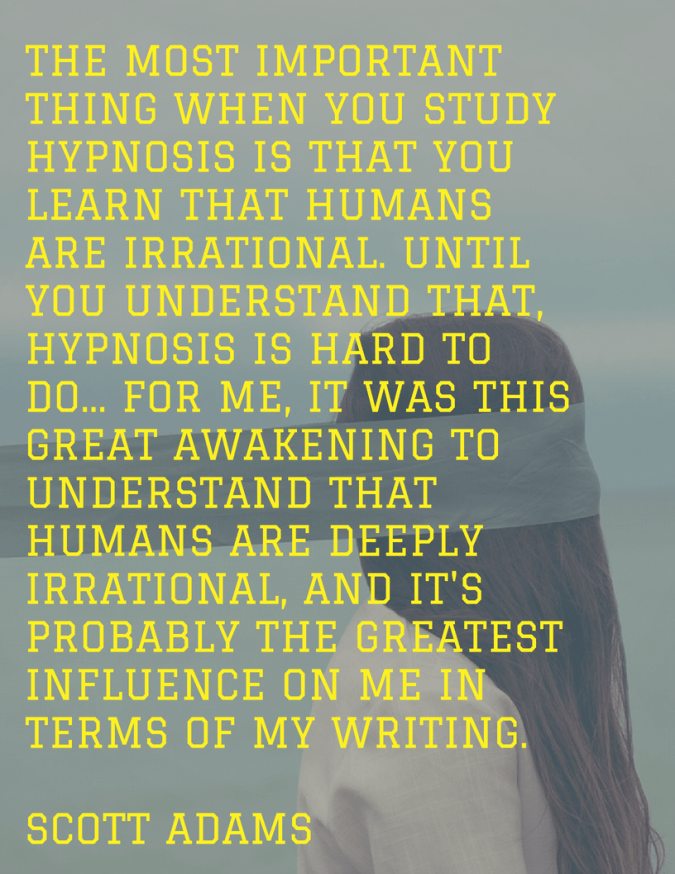
Who knew? If my character’s behavior is irrational, it might be logical. The story just got interesting. I have a character or two who have upended my apple cart and completely changed the story I was telling. Don’t let them know their actions make the story better.

What surprises have your character handed to you?

__________________________________________

Keep on writing.

Jo Hawk The Writer

Unintended Consequences — 3 Line Tales Week 134

From Sonya’s 3LineTales at Only100Words.
You can find the original prompt here. Thank you, Sonya.

photo by Maxim Leyssens via Unsplash

Unintended Consequences

Our instructions were to capture the predator killing the farmer’s livestock.

We hunted the hunter, captured her and prepared her for relocation.

We didn’t see her two cubs or hear their hungry cries.

______________________

Keep on writing.

Jo Hawk The Writer
City Gates

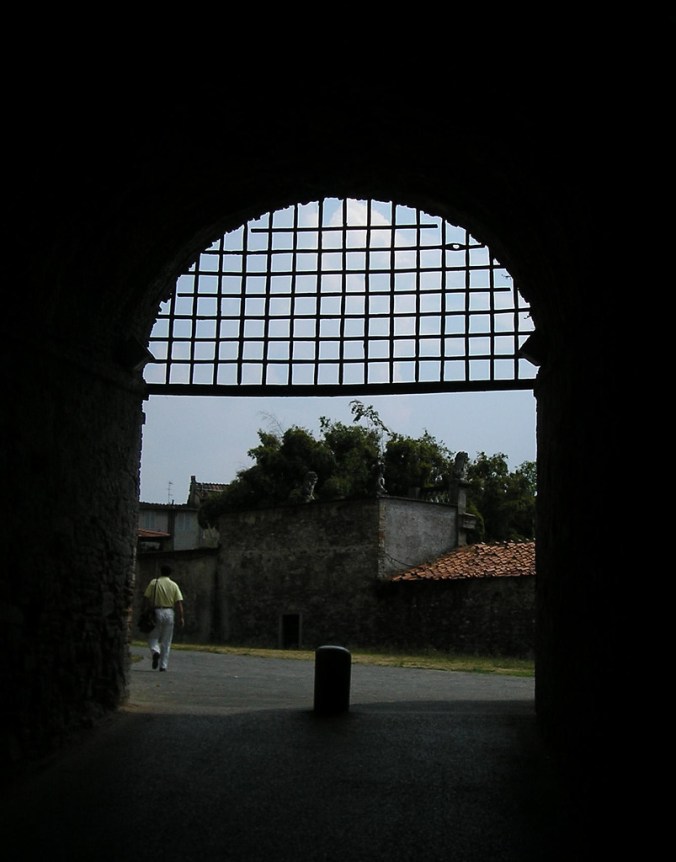
Photo credit: Verity Cridland on Visualhunt.com / CC BY

They locked the gates at night. Thick renaissance walls form an impenetrable, two-and-a-half-mile circle that embraces the city. Three gates are the only access. The walls have protected the city since Roman times, and when the Romans left, the city improved them, making them taller, thicker and equipped them with cannons. At ten o’clock, the guards shut and bolt the gates. They guard the city and open the gates at dawn. Invaders never breached the walls, and people felt safe.

Locked gates that deterred invaders also made us prisoners, vulnerable to an assault from inside the gates. One deep dark January night, lit by a full moon, the assault began, and a young girl died. Her blood oozed, seeping onto the cobbled streets. Concerned mounted, and the constables investigated. Death arrived with the next full moon, the victim was an old man and tensions rose.

For an entire year, every full moon heralded the death of one of us. Thirteen people, brutally murdered, men, women, young and old alike, he didn’t care who he killed. Scared and unsure we looked for answers. They talked of leaving the gates open at night, some thought it foolish to lock the killer inside the wall. The constables instituted a curfew at dusk and tore through the city following every lead. They locked a merchantman in jail and we relaxed, thinking the worst was over. Until the next full moon brought another death. They released the merchantman, and we suspected one another. The constables interrogated everyone, desperate for clues. The citizens demanded they find the killer, but the murder’s the identity remained a mystery.

New Year’s parties were quiet, and we heeded our training. We locked the gates and secured our families behind bolted doors. We trembled in fear, hoping he wouldn’t find us. In January the full moon lit our city, the dawn came, and we unlocked the gates. The constables searched, and we worried. No one was dead that morning. Months passed, and the killer’s blade tasted no blood. Our lives returned to normal.

Thirteen years ago, a killer stalked our city, killing thirteen with each full moon then vanished. For thirteen years, full moons shone brightly, and no one died until last night.

__________________________________________

Keep on writing.

Jo Hawk The Writer

Daily Quote

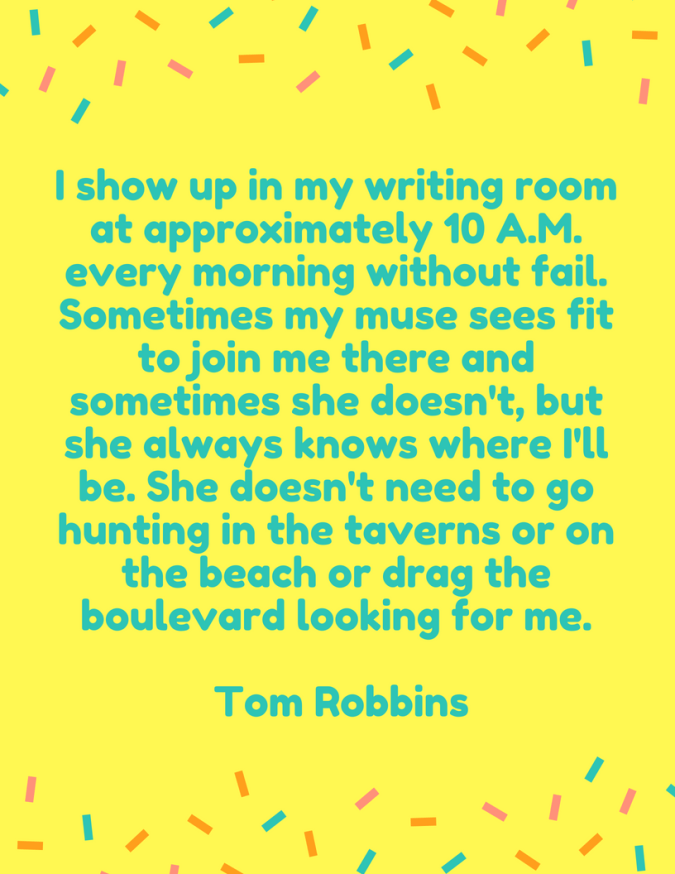
I am perfecting my ritual. Every day, I sit at my computer and write. It is not aimless.  I plan specific goals for the day and the sessions. Completing my writing may be easy or difficult but I write for my allotted time, or until I accomplish my goal. The difficult days are becoming fewer and it takes less time to reach my objective. I am writing more words in the allotted time.

What step are you taking to ensure your writing sessions are a success?

__________________________________________

Keep on writing.

Jo Hawk The Writer
Escape — Friday Fictioneers August 17

Title:  Escape
Source:  Friday Fictioneers sponsored by Rochelle Wisoff-Fields-Addicted to Purple
Word count: 100 words

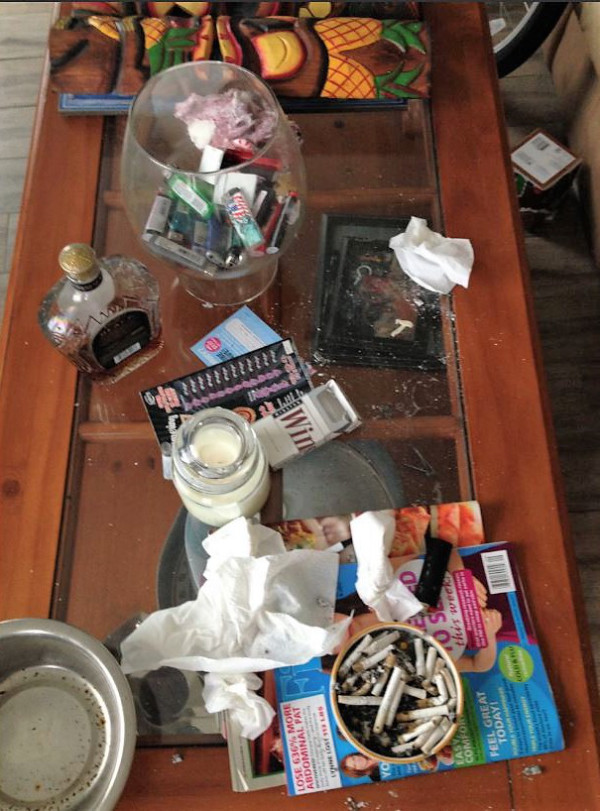
PHOTO PROMPT © Yvette Prior

Marty spent his nights singing in smoky bars. It wasn’t glamorous, but it paid the bills. After last night’s show, the band and some ladies continued the party at Ned’s place. Marty woke, head pounding and nauseous from the smell of alcohol, stale cigarettes and cheap perfume lingering in the room.

His mind shook free from his self-induced coma. He rode a merry-go-round, an endless circle of perpetual motion. He waited, hoping to feel real emotion, looking for proof of life. It wasn’t here. He knew what he must do. Marty grabbed his keys, walked out and closed the door.

__________________________________________

Keep on writing.

Jo Hawk The Writer
Daily Quote

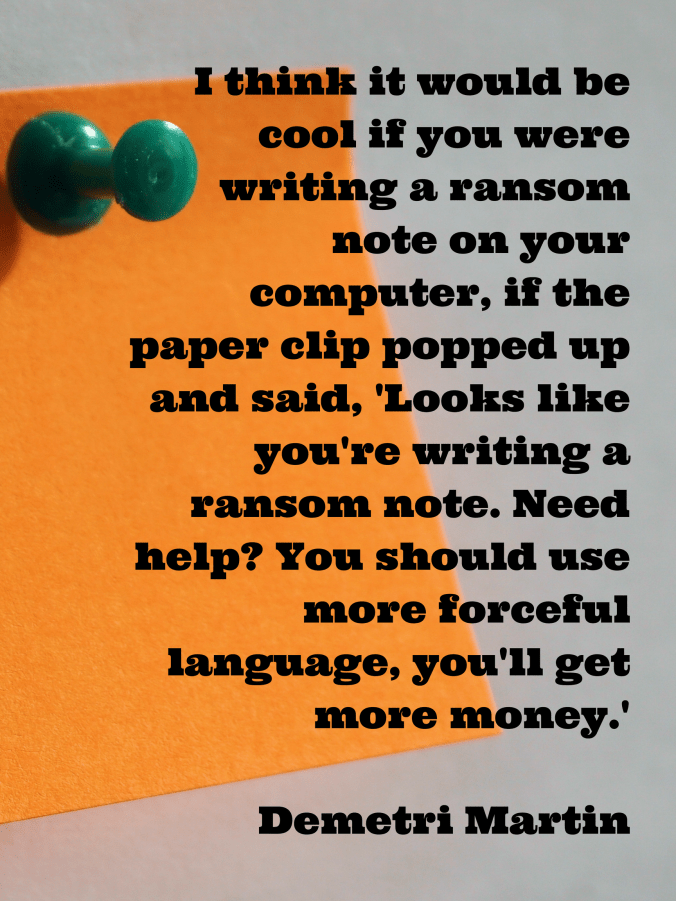
This quote made me laugh. It might be fun to have a few writing suggestions, especially if it makes money. Not sure I want to make the dough from a ransom note. Or maybe the ransom note is part of a kidnapping scene in a story. Ok, the ransom note needs “more forceful language”.

What would help with your writing?

__________________________________________

Keep on writing.

Jo Hawk The Writer
Labor of Love – FFfPP Week 33

Title:  Labor of Love
Source:  FLASH FICTION FOR THE PURPOSEFUL PRACTITIONER- 2018 WEEK #33
Word count:   200 words

Daria Shevtsova pexels-photo-1070945

The first fingers of dawn hadn’t touched the black velvet curtain of darkness when Laroux flipped on the kitchen lights. Overhead, the fluorescents bounced off spotless stainless steel and bleached white tiles. Wednesdays were her favorite day of the week. She had three hours alone, to play in the kitchen.

Laroux tied her apron and gathered the ingredients, yeast, sugar, salt, oil, and flour. Yeast was a special ingredient, the origin of life. Baking took simple items and used chemistry, art, and kneading to form an aromatic loaf. She measured yeast into warm water, watching it bloom before stirring in the remaining ingredients. Laroux continued adding flour, forming a soft dough she turned onto the marble bench. She gathered the sponge, pushing bits together until it stuck in a lumpy ball. Now came the fun, the hard work.

The heel of her hand dug into the dough moving like an earth mover compacting dirt, stretching the dough on the marble, then folding it into a ball. Laroux repeated the actions, developing the gluten in the flour. Then, she and the dough rested. The dough doubled in size, ready for the oven. Laroux created bread with love to please the senses.

__________________________________________

Keep on writing.

Jo Hawk The Writer
Daily Quote

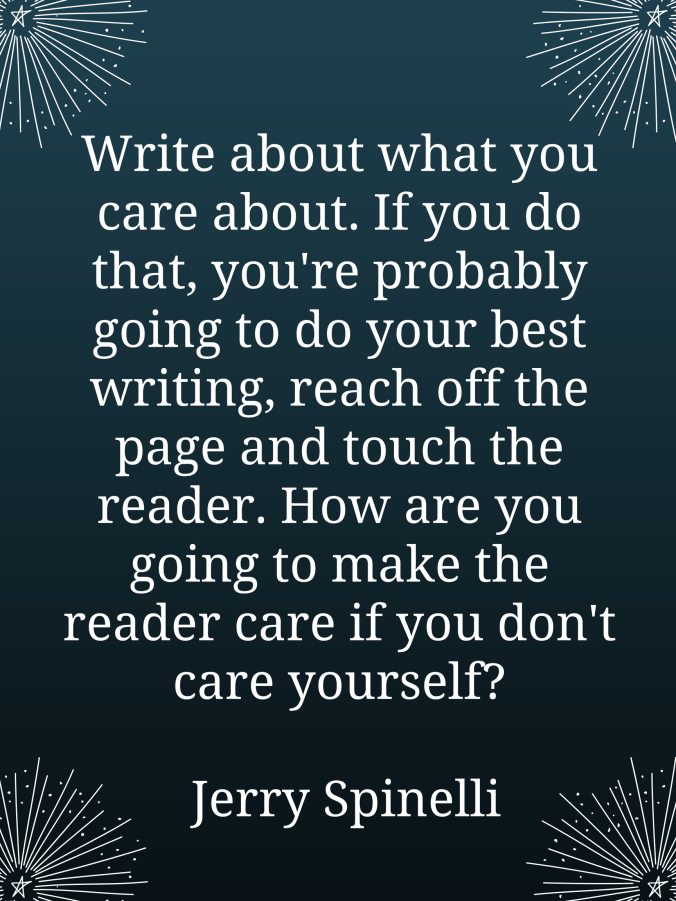
I had never considered writing from this perspective. I know topics I care about are more fun to write. It is a good point. I think an artist leaves an emotional imprint on the art they create, and the viewer senses the residual emotions.  Why would writing be any different?

Have you noticed a corollary in writing emotional pieces and reader response?

__________________________________________

Keep on writing.

Jo Hawk The Writer